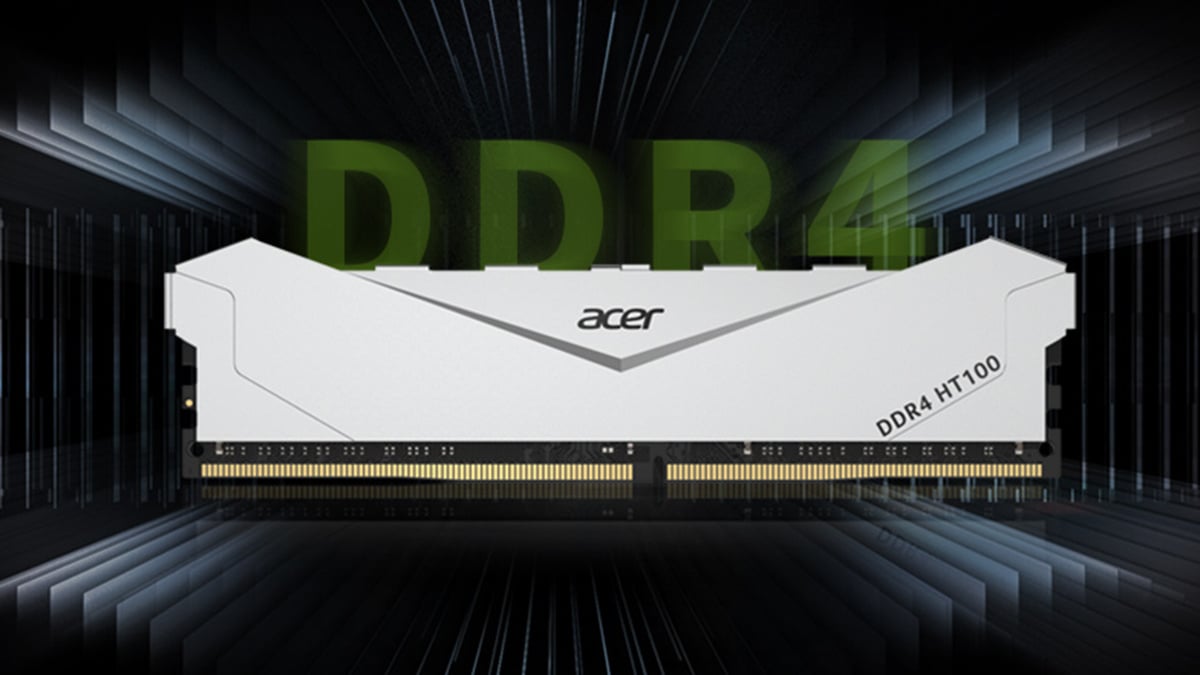
Today, we’re breaking down DDR4 vs DDR5 RAM to explain what’s changed, what actually matters in real-world use, and how to avoid overpaying during a volatile upgrade cycle.
RAM pricing, platform changes, and performance expectations have all collided at once, making the DDR4 vs DDR5 decision far more complicated than it used to be. In this article, we’ll explain why RAM prices have risen so sharply, and why many buyers are now turning back to DDR4. We’ll also cover how DDR4 and DDR5 actually differ in real-world use, whether upgrading now even makes sense, and why prebuilt systems can sometimes be the smartest way to sidestep the entire problem.
Why RAM prices have shot up
The recent rise in RAM prices isn’t a short-term blip. Memory manufacturers deliberately cut production after years of oversupply, just as demand surged from AI development, data centers, and enterprise computing. These large buyers consume vast quantities of high-capacity memory, and consumer PC upgrades are effectively competing with them for the same supply.
At the same time, the industry transition to DDR5 has complicated pricing across the board. Manufacturers are prioritizing newer memory standards, reducing DDR4 output while DDR5 production ramps up more slowly than demand. The result is a squeeze at both ends: DDR5 remains expensive due to limited supply, while DDR4 prices are no longer falling the way buyers expect from an “older” standard.
Add inflation, logistics costs, and increased platform requirements, and RAM has gone from a minor upgrade to a significant purchase decision. For many users, the question is no longer “How much RAM should I buy?” but “Is this the right time to buy any at all?”
Why buyers are turning back to DDR4
One of the more surprising trends is renewed interest in DDR4. As DDR5 prices remain high, many users are choosing proven DDR4 platforms to stretch their budgets further. DDR4 motherboards are widely available, stable, and typically cheaper, allowing buyers to allocate more money to GPUs, storage, or higher-capacity memory kits.
For everyday computing and most gaming workloads, DDR4 performance remains more than adequate. Latency is well understood, compatibility issues are rare, and mature BIOS support means fewer headaches during setup. For builders focused on value, DDR4 offers a predictable experience at a lower overall system cost.
There’s also a psychological factor at play. When DDR5 prices climb, DDR4 feels like a safer purchase, even if it’s not the newest technology. Many buyers would rather build a balanced system today than overpay for memory bandwidth they may not fully use. In short, DDR4 has become the practical choice in a market where the latest isn’t always the greatest.
DDR4 vs DDR5: What’s the difference?

DDR5 is the newest generation of system memory, offering roughly double the bandwidth of DDR4 along with much higher potential module capacities. While DDR4 officially scales up to 3200 MHz (after launching at 2133 MHz), DDR5 reaches standardized speeds of 6400 MHz and beyond, with higher-performance kits already pushing further. This extra bandwidth allows modern CPUs to handle heavier multitasking and data-intensive workloads more efficiently.
DDR5 also lowers operating voltage from 1.2V (DDR4) to 1.1V and moves power management onto the module itself rather than relying on the motherboard. This improves stability at higher speeds and increases overall efficiency, although DDR5 can run warmer under load and benefits from strong cooling.
Capacity is another major shift. DDR4 consumer modules typically top out around 32GB per stick, while DDR5 raises theoretical limits up to 128GB per module. That expanded density supports large creative projects, simulations, and next-generation software.
That said, DDR5 doesn’t automatically deliver huge gains for every user. It scales best with newer CPUs and memory-heavy professional applications. In gaming, especially when GPU performance is the bottleneck, real-world frame rate differences between DDR4 and DDR5 are often modest unless paired with high-end hardware.
Cost is also part of the equation. DDR5 requires newer CPUs and motherboards, increasing overall platform expense. DDR4 systems remain more affordable and highly capable. DDR5 is clearly the forward-looking standard, but DDR4 continues to offer strong performance for many builds today.
Which should you buy, or should you wait?
The right choice depends entirely on how you use your PC. If you’re gaming, working, or studying on a mid-range system, DDR4 is still a sensible option and won’t hold you back. If you’re building a high-end workstation or future-proofing a premium system, DDR5 makes more sense, provided the budget allows.
That said, waiting can also be a valid strategy. RAM pricing is cyclical, and supply conditions will eventually normalize. If your current system isn’t struggling, delaying an upgrade and playing the long game may save you money without sacrificing performance.
The worst option is upgrading out of pressure alone. Buying expensive RAM that doesn’t meaningfully improve your experience rarely feels good in hindsight. Know your workload, know your budget, and avoid chasing specs for their own sake.
Acer prebuilts: the smartest RAM play right now
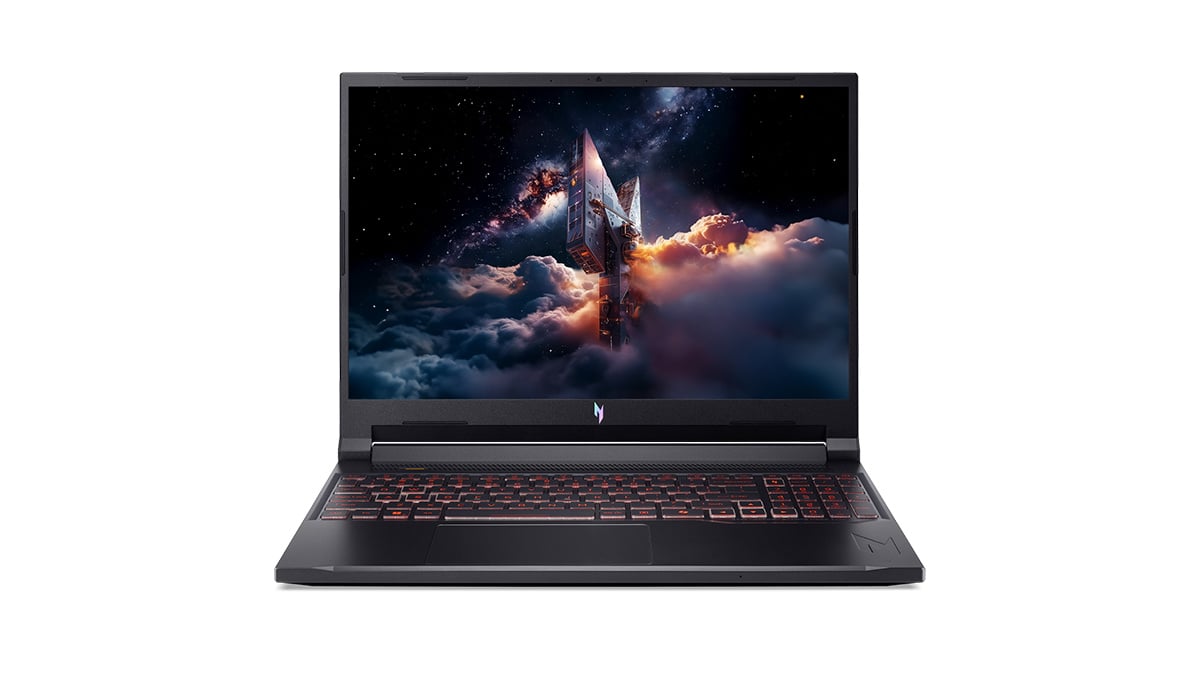
With RAM prices still elevated, one way to avoid overpaying for standalone upgrades is to buy a preconfigured system that already includes higher memory capacity. Be sure to check out Acer’s current lineup, featuring top notch laptops with 32GB or more of RAM baked in, locking in value and removing compatibility concerns at a time when DIY upgrades feel increasingly expensive.
DDR4 vs DDR5, final verdict?
The DDR4 vs DDR5 RAM debate in 2026 isn’t about chasing the newest spec, but about timing, pricing, and how you actually use your system. With RAM prices still elevated, DDR4 remains a practical and cost-effective choice for many users, while DDR5 makes more sense for high-end builds and memory-intensive workloads. For anyone who doesn’t urgently need an upgrade, waiting can be just as sensible, and for those who do, prebuilt systems with higher RAM configurations offer a smart way to lock in value without overpaying for standalone memory.
FAQs
Is DDR5 worth it over DDR4?
DDR5 is worth considering if you’re building a new, high-end system or running workloads that benefit from higher bandwidth. For most everyday use and gaming, DDR4 still delivers excellent performance at a lower overall cost.
Why is RAM so expensive right now?
RAM prices have risen due to reduced production, increased demand from AI and data centers, and the industry transition from DDR4 to DDR5. These factors have tightened supply across both standards
Does more RAM improve gaming performance?
RAM helps with loading times, asset streaming, and multitasking while gaming, but it doesn’t usually increase frame rates on its own. Once you have enough capacity, GPU performance matters far more.
What is the best RAM for gaming in 2026?
For most gamers, the best RAM is simply enough capacity for modern games and background tasks, rather than the newest memory standard. Stability and capacity matter more than headline speeds.
Should I upgrade my RAM now or wait?
If your system is running smoothly, waiting can make sense while prices remain high. If you do need more memory, buying a prebuilt system with higher RAM included can be a cost-effective alternative.
Recommended Products