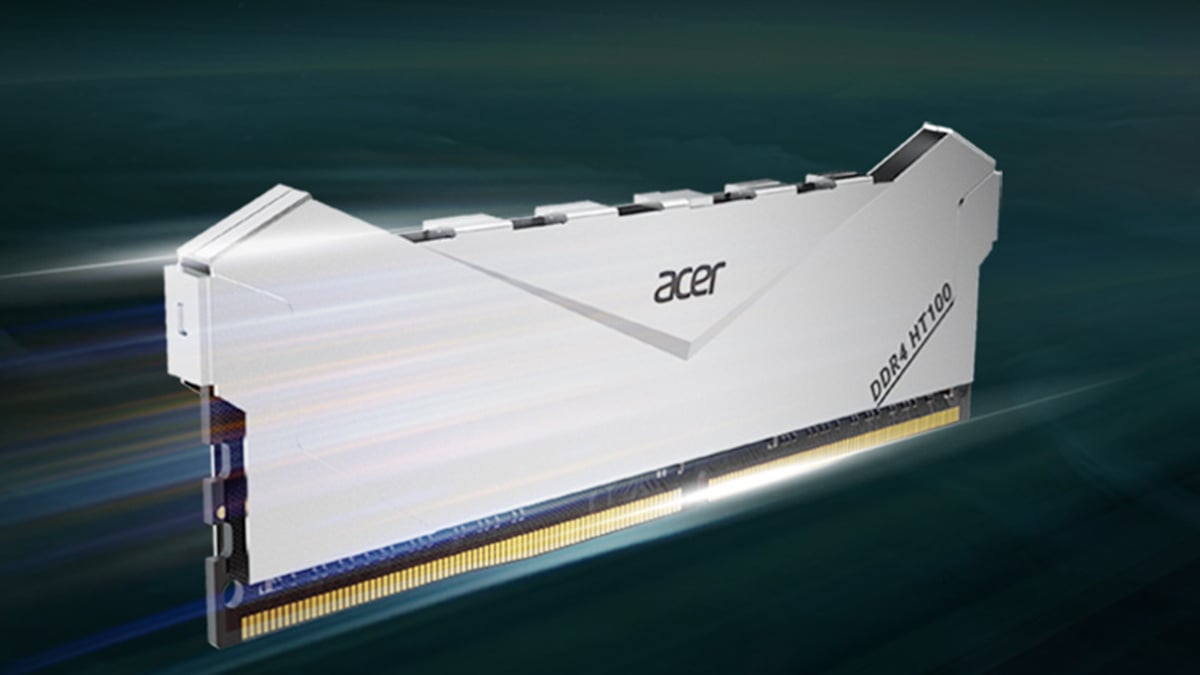
Memory prices have risen sharply in 2025, surprising PC builders, laptop shoppers, and companies that depend on predictable hardware costs. DDR4 and DDR5 modules cost far more than they did just a year ago, and the increases show no sign of slowing. What looks like a simple shortage is actually the result of deeper structural changes across the semiconductor industry.
This article explains what is happening, why it is happening, who is feeling the impact, how long the situation may last, and what consumers and businesses can do now.
What is happening to RAM prices in 2025?
RAM prices have climbed across every major category. DDR4, DDR5, LPDDR5 for mobile devices, and even server-class memory have all become more expensive. In many regions, consumer-grade memory kits now cost two or even three times more than they did in 2023 or early 2024.
At the same time, memory availability is inconsistent. Retailers report that high-speed kits sell out faster. Laptop manufacturers are facing higher bill-of-materials costs. Even large enterprise buyers have reported partial fulfillment of bulk memory orders.
In short, demand for memory remains high, supply remains tight, and the market has shifted in favor of suppliers.
Why RAM has become so expensive this year

RAM prices have surged in 2025 because demand for advanced memory has grown much faster than supply can keep up. Industry data shows how dramatic this shift has been. TrendForce reports that many DDR5 modules have increased by 120 to 200 percent compared with early 2025, while broader DRAM pricing indexes have climbed nearly 50 percent year to date. Certain contract prices for memory chips have also risen by 30 to 60 percent in only a few months. These increases reveal how tight the market has become across consumer, mobile, and server segments.
Several forces are driving the spike:
1. AI demand is consuming the memory supply
The rise of artificial intelligence is the single biggest driver behind the shortage. Modern AI data centers rely heavily on high bandwidth memory, or HBM. This stacked, ultra-fast memory is essential for training and running large models. Since HBM relies on the same foundational materials as DDR4 and DDR5, manufacturers are shifting their capacity toward HBM because it offers higher revenue and long-term demand certainty.
When production capacity shifts toward HBM, fewer wafers and fewer fabrication lines are left for standard DRAM.
2. Wafers are limited and expensive
All DRAM begins with 300 mm semiconductor wafers. These wafers are expensive, difficult to produce, and available only from a few global suppliers. As AI companies place massive long-term orders, wafer supply becomes stretched.
A limited wafer supply creates two problems:
- There are not enough wafers to satisfy every DRAM product line.
- The cost of each wafer increases, which raises the baseline cost of all memory.
Even if demand from consumers stayed the same, wafer scarcity alone would push prices upward.
3. Manufacturers are managing supply to protect pricing
For years, the memory market suffered from oversupply, which caused prices to crash. In response, manufacturers adopted a more controlled approach. They now scale production carefully to avoid large inventory buildups. This helps stabilize profits but keeps prices high.
Because all three major DRAM manufacturers are using similar strategies, the market has shifted toward steady, elevated pricing rather than boom-and-bust cycles.
4. DDR4 is being phased out
DDR4 production was already declining as the industry transitioned toward DDR5. With wafer supply under pressure and HBM taking priority, manufacturers have accelerated the phase-out. Fewer DDR4 production lines means lower availability and higher prices, even for older systems.
5. Devices require more memory than before
The rise of AI in consumer devices, the growth of handheld gaming PCs, and new requirements in Windows 11 have all increased memory consumption. Many modern laptops ship with 16 GB or 32 GB. Phones increasingly use more RAM to support on-device AI features.
This growing demand collides with limited supply and pushes prices higher.
6. HBM packaging is slow and difficult
Even if manufacturers wanted to expand HBM production, packaging remains a bottleneck. HBM uses advanced through-silicon vias and stacked layers that require specialized packaging facilities. Only a handful of plants worldwide can perform this work at scale.
Since packaging cannot expand quickly, HBM supply remains tight, which in turn keeps pressure on overall DRAM supply.
Who is being affected by the global DRAM shortage
The current memory market affects almost every part of the technology ecosystem, but in different ways.
1. Consumers building or upgrading PCs
Builders who planned to upgrade from 16 GB to 32 GB, or move to higher speed DDR5 kits, now face much higher costs. Entry-level kits cost more than before, and high-end kits often sell out.
2. Laptop buyers
Laptop manufacturers must absorb higher component costs, and those increases often appear in final retail pricing. Even models with soldered memory are affected because DRAM cost influences the total system cost.
3. Small and mid-sized businesses
Companies that refresh hardware regularly or run memory-intensive workloads face higher upgrade budgets. Even organizations that rely on cloud services may see costs rise because cloud providers are also paying more for memory.
4. Enterprise and data center operators
HBM shortages and server DRAM constraints affect data center expansion plans. Some large customers have reported reduced fulfillment of bulk memory orders, which can delay deployment timelines.
5. Gamers and creative professionals
High performance workloads such as 4K editing, 3D rendering, and modern AAA gaming often require 32 GB or more. Higher memory prices make these upgrades more expensive.
How long high RAM prices are expected to last
Based on current industry conditions, elevated memory prices are likely to persist through all of 2025 and at least into early or mid-2026. Several reasons support this timeline:
- Large AI companies have already placed long-term HBM orders that last several years.
- Wafer production capacity cannot scale quickly because it requires new fabs and new suppliers.
- HBM packaging remains the slowest part of the supply chain.
- The DDR4 phase-out is accelerating, not slowing.
- DRAM manufacturers have no incentive to increase supply faster than demand.
New fabrication facilities in Japan, Taiwan, South Korea, and the United States may help, but most will not reach high-volume output until late 2026 or 2027.
Short-term discounts may appear during sales events, but a major price correction is unlikely in the near future.
What consumers and businesses can do to manage rising memory costs

While the situation is not ideal, there are practical steps that buyers can take to reduce the impact of rising memory prices.
1. Buy sooner rather than later
Prices have trended upward month after month. Delaying upgrades often results in paying more, especially for high-speed DDR5 kits.
2. Consider total system value, not just memory costs
For consumers building PCs, it may be better to choose a more balanced set of components rather than pushing all spending toward memory capacity. Many gaming and productivity workloads still run well with 16 GB or 32 GB, depending on the use case.
3. Take advantage of seasonal sales
Retailers may still offer occasional promotions, especially around major shopping periods. Even modest discounts can matter in a high-price market.
4. Businesses should plan hardware refresh cycles early
Companies that refresh equipment every two to three years should budget for higher DRAM costs. Early procurement can reduce the risk of sudden price jumps.
5. Explore complete systems instead of component upgrades
Sometimes a laptop or desktop with pre-installed memory offers better value than buying memory separately. For users considering a new system, the Acer Store offers desktops, laptops, and workstations with memory configurations that may cost less than separate component upgrades.
Final thoughts
The 2025 memory market reflects a major industry shift driven by AI demand, wafer constraints, controlled production strategies, and rising memory requirements across modern devices. Together, these forces have pushed RAM prices to some of the highest levels seen in recent years.
While supply conditions are expected to improve over time, higher memory pricing is likely to persist throughout the year. For consumers and businesses planning a hardware upgrade, delaying a purchase may result in paying more for comparable performance as component costs continue to climb.
In this environment, buying a pre-configured system can still offer practical value. Although prices have already begun to reflect higher memory costs, gaming desktops and laptops available through the Acer Store have not yet reached the steepest part of the current pricing cycle. Compared with building or upgrading a PC component by component, system pricing remains more predictable as RAM costs continue to trend upward.
Acer’s Nitro and Predator gaming lines are well positioned under these conditions. These systems ship with balanced CPU, GPU, and memory configurations designed to handle modern games and creative workloads out of the box, reducing the need for immediate upgrades. As memory prices rise further throughout 2025, purchasing a complete gaming PC or laptop now can help buyers secure strong performance without absorbing additional component-driven price increases later in the year.
For users considering an upgrade, the current pricing window represents a reasonable opportunity to move before memory costs place further pressure on overall system prices.
Recommended Products

Acer Nitro V 16 (RTX 5060)
Buy Now |

Predator Helios Neo 18 AI (RTX 5070Ti)
Buy Now |

Predator Helios 18 AI (RTX 5080)
Buy Now |
|---|