From narrative-driven indies to globally influential AAA releases, French developers have quietly shaped some of the most distinctive video games of the past two decades. That influence was impossible to miss at the most recent Game Awards, where Clair Obscur: Expedition 33 took home nine awards and did so while wearing its cultural identity openly. The development team leaned fully into the moment, appearing on stage in red berets, striped shirts, and other unmistakably French visual cues, a playful but deliberate reminder of where the game’s voice, tone, and aesthetic came from. It was a rare instance of national identity being celebrated rather than smoothed out for global appeal, and it resonated precisely because the game itself is steeped in French artistic references, from its Belle Époque-inspired visuals to its theatrical approach to storytelling.
That moment captured something larger about France’s role in game development. French studios have long excelled at combining strong art direction with mechanical experimentation, often prioritizing mood, narrative, and visual cohesion over formulaic design. Backed by a mature creative ecosystem and a willingness to take risks, developers in France have produced genre-defining franchises, critically acclaimed narrative games, and indie successes that punch well above their weight. This article looks at the best video games made by French developers and the studios behind them, and explains why France continues to be one of the most influential forces in modern game development.
Why France is a major force in game development
France’s influence on the video game industry did not emerge overnight. It is the result of decades of institutional support, early commercial success, and a creative culture that treats games as a legitimate artistic medium rather than a purely commercial product. As early as the 1990s, French studios were already building an international presence, most notably through Ubisoft, which helped establish France as a serious development hub long before many other European countries followed suit.
That early momentum was reinforced by structural advantages. France offers strong public funding mechanisms for creative industries, robust game development education pipelines, and government recognition of video games as cultural works. This has allowed studios to take creative risks that might be harder to justify in markets driven purely by short-term commercial returns. The result is an ecosystem where experimentation is not just tolerated, but expected.
Equally important is the diversity of studio sizes and specialties. Large, internationally focused teams such as Arkane Studios coexist alongside mid-sized narrative-focused developers like Dontnod Entertainment, as well as technically driven studios such as Asobo Studio. This balance has helped France avoid overreliance on a single genre or business model, enabling everything from immersive sims and story-heavy adventures to experimental indie projects.
Taken together, these factors explain why French developers consistently produce games that feel distinct in tone and ambition. Rather than chasing trends, many French studios focus on authorship, atmosphere, and long-term creative identity, qualities that have become defining traits of France’s most successful video games.
1. Clair Obscur: Expedition 33

Developed by Sandfall Interactive
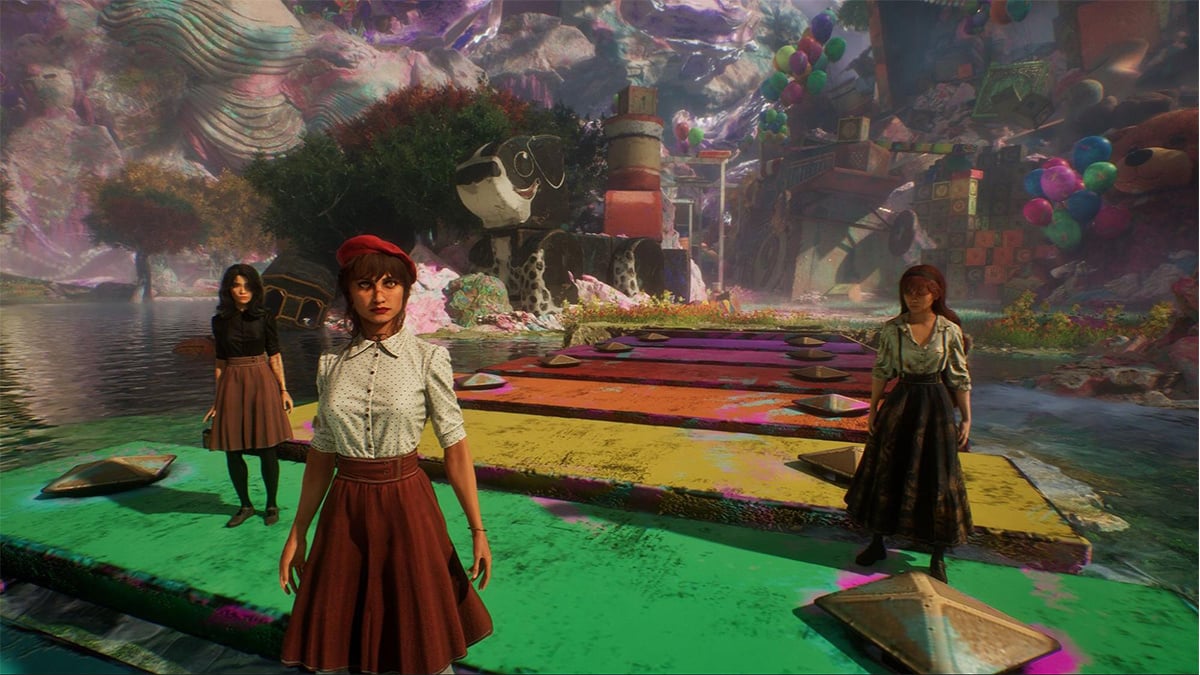
Clair Obscur: Expedition 33 is a rare example of a modern RPG that feels culturally specific without being exclusionary. Developed by the Montpellier-based studio Sandfall Interactive, the game blends turn-based combat with real-time mechanics, wrapped in a striking visual style inspired by French art, theater, and Belle Époque aesthetics. Its world is surreal, painterly, and deliberately melancholic, standing apart from the high-fantasy and sci-fi settings that dominate the genre.
The game gained global attention after winning nine awards at The Game Awards (including 2025’s Game of the Year), but its success was not built on spectacle alone. What resonated most was its confidence in tone and authorship. The narrative leans heavily into fatalism, memory, and performance, themes more commonly associated with European cinema than mainstream RPGs. Even its presentation choices, from character design to staging and music, reflect a distinctly French creative sensibility.
More than just a breakout hit, Clair Obscur: Expedition 33 represents a broader shift in how French studios are perceived internationally. It proves that a mid-sized French team can deliver a mechanically ambitious, artistically coherent RPG that competes directly with much larger productions, without diluting its identity to do so.
2. Life is Strange

Developed by Dontnod Entertainment
Life is Strange marked a turning point for narrative-driven games developed outside the traditional Anglo-American studio system. Created by Paris-based Dontnod Entertainment, the game centers on quiet moments, emotional consequence, and player choice rather than spectacle or mechanical complexity. Its episodic structure, small-town setting, and emphasis on relationships stood in sharp contrast to the action-heavy releases that dominated the mid-2010s.
The game’s impact was recognized quickly. At The Game Awards 2015, Life is Strange won Games for Change, an award given to titles that address social themes in a meaningful way. It also received multiple industry honors for narrative design and new intellectual property, and Ashly Burch’s performance as Chloe Price earned Performance of the Year at the Golden Joystick Awards. These accolades reinforced the idea that emotional storytelling and character-driven writing could stand alongside more traditional measures of technical achievement.
At its core, the game explores time, memory, and regret, themes more commonly associated with European film and literature than mainstream video games. The time-rewind mechanic is not treated as a power fantasy, but as a narrative device that exposes the limits of control and the permanence of certain choices. In doing so, Life is Strange helped legitimize slower, more introspective games at a global level and firmly established Dontnod as one of France’s most influential narrative studios.
3. Dishonored

Developed by Arkane Studios
Dishonored is one of the clearest examples of French design philosophy succeeding at the highest AAA level. Developed primarily by Arkane Studios in Lyon, the game blends stealth, first-person action, and systemic level design into what is now considered a modern immersive sim classic. Set in the plague-ridden city of Dunwall, its world draws heavily from 19th-century European industrial cities, filtered through a grim, painterly aesthetic that feels closer to graphic novels than conventional realism.
Critically, Dishonored was widely recognized for its design ambition. It won Best Action/Adventure Game at The Game Awards 2012 and received multiple BAFTA nominations, alongside year-end awards from major outlets for level design and player choice. Much of the praise centered on how the game respected player agency, allowing problems to be solved creatively rather than funneling players toward a single “correct” solution.
What set Dishonored apart was its refusal to separate narrative from mechanics. Chaos systems, moral consequences, and environmental storytelling are tightly interwoven, ensuring that how players act meaningfully shapes the world around them. This approach, deeply associated with Arkane’s design DNA, helped cement the studio’s reputation as one of the most respected developers in the genre and demonstrated that a French-led team could define the direction of high-budget Western game design.
4. A Plague Tale: Innocence

Developed by Asobo Studio
A Plague Tale: Innocence established Asobo Studio as far more than a technical support developer and signaled the arrival of a confident, narrative-led French studio on the global stage. Set in a fictionalized, plague-ravaged medieval France, the game follows siblings Amicia and Hugo as they navigate war, superstition, and overwhelming loss. Its historical grounding and restrained storytelling give it a tone closer to historical drama than traditional action games.
The game received strong critical recognition upon release. It won Best Narrative at The Game Awards 2019 and earned multiple BAFTA nominations, with particular praise directed at its atmosphere, score, and character writing. Critics highlighted how the game used vulnerability and limitation, rather than power, as the foundation of its gameplay, a design choice that reinforced its themes rather than undermining them.
What makes A Plague Tale: Innocence distinctly French is its commitment to mood and restraint. Combat is sparse, environments are oppressive, and spectacle is used sparingly. Instead, the game relies on pacing, visual symbolism, and sound design to communicate dread and emotional weight. In doing so, Asobo demonstrated that large-scale narrative games do not need constant escalation to remain compelling, a philosophy that has since become a defining trait of some of France’s most respected modern releases.
5. Dead Cells

Developed by Motion Twin
Dead Cells is one of the most successful modern examples of French indie design scaling to a global audience without losing its identity. Developed by Bordeaux-based Motion Twin, the game blends roguelike structure with tight, responsive action-platforming, emphasizing speed, precision, and player mastery. Its pixel art presentation is clean and expressive, prioritizing readability and motion over nostalgia for its own sake.
The game was both a critical and commercial success. Dead Cells won Best Action Game at The Game Awards 2018 and received multiple awards and nominations across industry shows for gameplay design and ongoing support. Its post-launch development model, which delivered substantial free updates over several years, was frequently praised as a consumer-friendly alternative to traditional live-service approaches.
What sets Dead Cells apart is its mechanical confidence. Systems are layered but intuitive, difficulty is demanding without being punitive, and experimentation is actively encouraged through randomized builds and branching paths. Rather than focusing on narrative exposition, the game tells its story environmentally and indirectly, trusting players to piece together meaning through repetition and discovery. This design philosophy reflects a broader French indie sensibility: mechanically rigorous, visually distinctive, and unapologetically focused on craft.
6. Detroit: Become Human

Developed by Quantic Dream
Detroit: Become Human represents the most ambitious expression of France’s narrative-first approach to game design at a AAA scale. Developed by Paris-based Quantic Dream, the game is an interactive drama built almost entirely around player choice, branching storylines, and performance-driven storytelling. Set in a near-future Detroit where androids struggle for autonomy and rights, the game explores themes of identity, oppression, and moral responsibility.
The title received substantial industry recognition. It won Best Narrative at the 2018 Golden Joystick Awards and earned multiple BAFTA nominations, particularly for performance and technical achievement. Critics and players alike highlighted the sheer scope of its branching structure, with dozens of meaningful endings and visible consequence tracking that encouraged replay rather than optimization.
What distinguishes Detroit: Become Human within the French development canon is its theatrical sensibility. Camera work, pacing, and performance capture are treated with the same importance as gameplay systems, reflecting Quantic Dream’s background in interactive cinema. While its themes sparked debate, the game’s willingness to engage directly with complex social questions, and to let players sit with the discomfort of their choices, reinforced France’s reputation for games that prioritize authorship and emotional impact over mechanical density.
7. Rayman Legends

Developed by Ubisoft Montpellier
Rayman Legends is often cited as one of the finest 2D platformers ever made, and it stands as a showcase for French creativity at a large studio scale. Developed by Ubisoft Montpellier, the game builds on the foundation of Rayman Origins while dramatically expanding its scope, variety, and polish. Its hand-drawn art style is vibrant and expressive, leaning into exaggerated animation and visual humor rather than realism.
The game received widespread critical acclaim and industry recognition. It won Best Platformer at multiple award shows and earned a BAFTA for Artistic Achievement, with particular praise directed at its animation quality and inventive level design. The musical stages, where player inputs sync directly to rhythm and soundtrack, were frequently highlighted as some of the most creative platforming sequences of the decade.
What makes Rayman Legends distinctly French is its emphasis on playfulness and craft. Levels are dense with ideas, mechanics evolve constantly, and the game rarely repeats itself for long. Rather than relying on nostalgia or franchise fatigue, Ubisoft Montpellier treated platforming as a living design space, demonstrating that even within a major publisher, French studios could prioritize creativity, precision, and joy over formula.
8. Jusant

Developed by Dontnod Entertainment
Jusant is a quiet, deliberately paced game that reflects a more restrained side of French game design. Developed by Dontnod Entertainment, the studio best known for Life Is Strange, the game strips away dialogue-heavy storytelling in favor of environmental narrative and physical interaction. Centered entirely around climbing a vast, desolate tower, Jusant asks players to engage with movement, balance, and rhythm rather than combat or explicit objectives.
The game was praised by critics for its originality and focus, receiving nominations and awards for art direction and audio design across several industry showcases. Much of that praise focused on how Jusant communicates story through space, weather, and texture, trusting players to interpret meaning without exposition or cutscenes.
What distinguishes Jusant is its confidence in silence. Mechanics are tactile and intentional, forcing players to think about stamina, hand placement, and momentum, while the world gradually reveals fragments of its past through environmental clues. In a medium often dominated by noise and urgency, Jusant demonstrates a distinctly French willingness to slow down and let atmosphere carry emotional weight.
9. Chants of Sennaar

Developed by Rundisc
Chants of Sennaar is a puzzle-adventure built almost entirely around language, interpretation, and cultural misunderstanding. Developed by the French indie studio Rundisc, the game draws inspiration from the myth of the Tower of Babel, tasking players with deciphering fictional languages to bridge divisions between isolated groups. There is no combat and little traditional progression; advancement comes from understanding symbols, grammar, and context.
The game earned strong critical recognition for its originality, winning and being nominated for multiple awards tied to innovation, game design, and art direction across European and independent showcases. Reviewers consistently praised how the game turns translation itself into a mechanic, making comprehension feel earned rather than granted.
What makes Chants of Sennaar particularly emblematic of French design is its intellectual confidence. It assumes patience, curiosity, and a willingness to fail, asking players to think like linguists rather than heroes. By centering play around interpretation and empathy, the game reinforces a broader pattern seen in French development: a preference for ideas-driven design that challenges players cognitively as much as mechanically.
10. Furi

Developed by The Game Bakers
Furi is a tightly focused action game built entirely around boss encounters, reflexes, and mastery. Developed by the Montpellier-based studio The Game Bakers, the game combines twin-stick shooting and close-range sword combat into fast, demanding duels that leave little room for error. Its cel-shaded visual style and electronic soundtrack give it a sharp, contemporary aesthetic that immediately sets it apart.
The game was widely praised for its combat design and artistic cohesion, earning nominations and awards for action gameplay, music, and visual style at several industry events. Much of the acclaim centered on how Furi balances challenge with clarity, ensuring that even its most punishing encounters remain readable and fair.
What makes Furi stand out within the French development landscape is its discipline. There is no filler content, no side activities, and no mechanical padding. Every system exists to support the core experience of learning, failing, and improving. That commitment to focus and execution reflects a broader strength of French indie studios: a willingness to commit fully to a singular vision and trust players to meet the game on its own terms.
Conclusion
Taken together, these ten games illustrate why France continues to occupy a distinctive position in the global video game industry. French developers consistently prioritize authorship, atmosphere, and thematic intent, whether they are working within AAA frameworks or small independent teams. Rather than chasing trends, many studios focus on building games with a strong creative identity, resulting in experiences that feel deliberate, cohesive, and confident in their design choices. From narrative experimentation to mechanical precision, the French approach to game development values craft as much as scale.
For players who want to experience these games at their best, having reliable hardware matters. Many of the titles discussed here benefit from stable frame rates, fast storage, and accurate color reproduction, particularly visually driven games like Clair Obscur: Expedition 33, A Plague Tale: Innocence, and Detroit: Become Human. Acer’s gaming lineup, including its Predator and Nitro series, is designed to handle both demanding AAA releases and finely tuned indie games without compromise, making them a practical choice for students and enthusiasts alike.
Students can also take advantage of Acer’s 15 percent student discount, which lowers the barrier to entry for capable gaming laptops and desktops without forcing trade-offs in performance. For anyone looking to explore some of the most creative and influential games made by French developers, the right hardware ensures those artistic and technical details are experienced as intended.
FAQ
What are the best video games made by French developers?
Some of the most highly regarded games made by French developers include Clair Obscur: Expedition 33, Life Is Strange, Dishonored, A Plague Tale: Innocence, Dead Cells, Detroit: Become Human, and Rayman Legends. These titles span RPGs, narrative adventures, immersive sims, and platformers, highlighting the range of French studios.
Why are French video games often known for strong storytelling and art direction?
French developers tend to place a strong emphasis on authorship, visual identity, and thematic coherence. Many studios draw inspiration from European cinema, literature, and fine art, which results in games that prioritize mood, narrative intent, and distinctive aesthetics over purely formula-driven design.
Is Ubisoft a French company?
Yes. Ubisoft was founded in France and remains one of the country’s most influential game publishers and developers. Several of its studios, including Ubisoft Montpellier, have produced critically acclaimed titles such as Rayman Legends and contributed to major global franchises.
Are French studios more focused on indie games than AAA games?
France has a balanced ecosystem. It is home to large AAA studios like Arkane and Ubisoft, mid-sized narrative studios such as Dontnod and Asobo, and highly successful indie teams like Motion Twin and The Game Bakers. This diversity allows French developers to experiment across different scales and genres.
Recommended Products

Acer Nitro 60 (RTX 5070 Ti)
Buy Now |

Predator Triton 14 AI (RTX 5070)
Buy Now |

Acer Nitro V 16S AI (RTX 5060)
But Now |
|---|