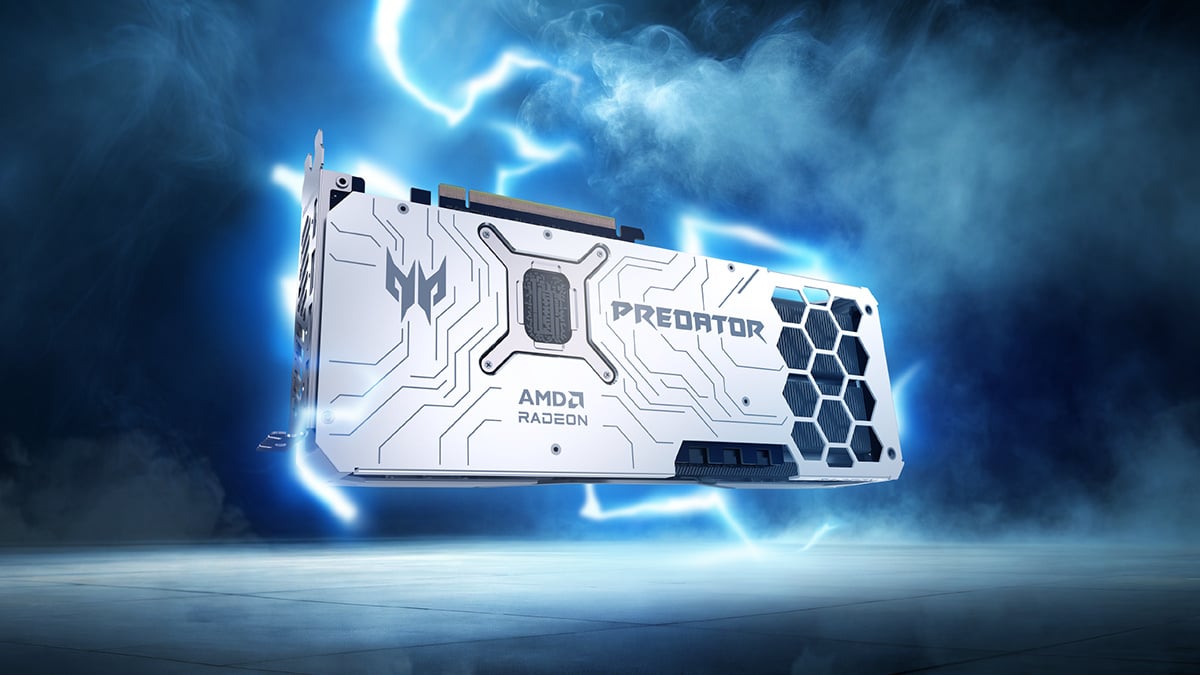
Disappearing memory supply, soaring RAM costs, and Nvidia’s reported shift in how it handles VRAM are all pointing toward higher GPU prices in the coming year. For the first time in a long while, many graphics cards are finally selling at or even below MSRP, but that window may be closing much sooner than gamers expect. Memory manufacturers are redirecting production toward higher-margin AI and data center clients, leaving fewer GDDR6 and GDDR7 chips available for consumer GPUs.
Recent industry reporting also suggests Nvidia may reduce discrete gaming GPU production by as much as 30 to 40 percent in early 2026 due to VRAM constraints, reinforcing concerns that today’s relatively affordable pricing environment will not last.
What’s happening to the GPU market right now
For most of 2025, the GPU market finally appeared to normalize. Prices stabilized, cards were widely available, and some models dipped below MSRP for the first time since before the pandemic. On the surface, it looked like the long period of volatility had ended.
Underneath that stability, however, the supply chain was already tightening. DRAM prices began climbing sharply, inventories of GDDR6 and GDDR7 started to thin, and memory fabs shifted more capacity toward AI-focused products. That pressure is now starting to surface. AMD partners have reportedly warned retailers about upcoming price increases, and Nvidia’s next-generation launches are rumored to face delays tied not to GPU manufacturing capacity, but to memory availability.
The apparent health of today’s market may also be misleading. After the initial Blackwell launch, Nvidia and its partners ramped up production, which helped refill retail shelves. More recent chatter suggests that production is now being deliberately pulled back in anticipation of continued VRAM shortages. In other words, current availability reflects earlier output decisions, not a resolution of the underlying memory constraint.
Ram prices are exploding, and GPUs depend on the same supply
The first major warning sign appeared in the RAM market. Throughout 2025, DDR5 prices surged at a pace that caught nearly everyone off guard. Kits that cost around $90 in late summer suddenly climbed to $240 or more, with premium or high-capacity kits shooting even higher. Some configurations have seen year-over-year increases of more than 170 percent.
This spike isn’t limited to desktop memory. GPUs rely on specialized versions like GDDR6 and GDDR7, which come from the same handful of manufacturers. When DRAM prices spike, VRAM costs rise alongside it. The difference now is that memory fabs are prioritizing the most profitable customers, which are AI and data-center clients. That leaves far fewer chips available for consumer graphics cards, and it creates a situation where GPU makers must either absorb the cost or pass it on. Most will choose the latter.
AI data centers are consuming global memory production
The single biggest force behind the memory crunch is AI. Over the past few years, hyperscale companies such as Nvidia, Microsoft, Amazon, Google, and Meta have dramatically increased their demand for high-performance memory. They are buying enormous quantities of:
- HBM (High Bandwidth Memory)
- Server-grade DRAM
- GDDR6 and GDDR7
- Complete production runs from major fabs
AI accelerators require far more memory per device than consumer GPUs, and they generate significantly higher profit margins. As a result, memory manufacturers are redirecting capacity away from gaming hardware and toward data centers.
This shift means consumer GPUs are no longer the priority. When memory is limited, enterprise buyers get first access, and gaming cards receive whatever supply remains. It is a similar situation to the crypto-mining era, except this time the demand is much larger, more sustained, and driven by enormous corporate budgets that can outbid the consumer market every time.
Nvidia may stop bundling VRAM with its GPUs, making the shortage even worse
A new industry rumor suggests that Nvidia has stopped supplying VRAM alongside its GPU and is instead forcing board partners to source memory on their own. AMD has not officially taken a similar stance, but chances are it may follow a similar lead. Normally, Nvidia sells partners a finished package that includes both the GPU die and the required VRAM modules. If this rumor is accurate, Nvidia is now shipping only the GPU itself while leaving partners responsible for finding GDDR6 or GDDR7 on the open market.
This change would have significant consequences. Large manufacturers like Acer may be able to secure their own memory supply, but smaller partners would struggle to compete with AI companies that are already buying most available inventory. If board partners have to acquire VRAM independently, they will pay higher prices, face more volatility, and deal with longer production timelines. Those added costs almost always get passed on to consumers.
The bigger concern is that some smaller vendors might not survive the shift. Companies with limited purchasing power cannot compete with massive data-center buyers for scarce memory, which could reduce competition in the GPU market and ultimately drive prices higher. Even though this information is still unconfirmed, it aligns with the broader memory shortage and makes a future GPU price spike even more likely.
Nvidia is reportedly cutting gaming GPU production in 2026
New industry reports suggest that Nvidia is preparing to reduce discrete gaming GPU production by as much as 30 to 40 percent in the first half of 2026, primarily due to ongoing VRAM supply constraints. The move is not a response to falling demand. Instead, it reflects the growing difficulty of securing sufficient GDDR6 and GDDR7 memory as manufacturers prioritize higher-margin AI and data center clients.
A production cut of this scale has direct implications for GPU pricing. When significantly fewer graphics cards are produced, supply tightens across retail and OEM channels even if demand remains steady. This reduces price competition, limits discounts, and pushes average selling prices higher, particularly in the midrange segment where volumes matter most.
These cuts are also unlikely to be evenly distributed. Lower-margin models and higher-VRAM configurations tend to be affected first, as they consume more memory while delivering less profit per unit. That makes popular 16 GB variants especially vulnerable to reduced availability or early price increases.
In practical terms, cutting GPU output while memory costs are already rising creates a compounding effect. Fewer cards reach the market, each one costs more to build, and manufacturers focus on protecting margins rather than volume. The result is a market that looks stable on the surface but becomes progressively more expensive for consumers.
GPU launches may be delayed due to memory shortages
The upcoming generation of graphics cards is already being affected by the global memory squeeze. Nvidia was originally expected to refresh its lineup with RTX 50-series Super models sometime in early 2026, but recent industry chatter suggests those launches may slip toward late 2026. The main issue is not manufacturing capacity for the GPUs themselves. The real bottleneck is GDDR7 availability.
Next-generation cards require newer, higher-density GDDR7 modules that are being produced in very limited quantities. Most of those modules are being reserved for enterprise hardware and AI accelerators, which leaves little supply for consumer products. AMD’s RDNA 4 lineup is caught in the same situation, since it still relies on GDDR6 and those inventories are being squeezed as well.
When memory becomes hard to source, GPU makers slow down production and wait for supply to improve. This leads to fewer cards on shelves, delayed product launches, and higher prices for the units that do reach retailers. Even if Nvidia or AMD wants to launch new cards sooner, they cannot do so without the VRAM to build them at scale.
Consoles and handhelds may also see supply issues and higher prices
The memory shortage is not limited to PC graphics cards. Any device that relies on DRAM or VRAM is vulnerable, which includes modern consoles and handheld gaming systems. Xbox has already experienced price increases and inventory instability in several regions, and analysts expect the situation to worsen if memory supply tightens further. Microsoft appears to have been caught off guard, which is why Series X units now fluctuate significantly in price.
Sony, on the other hand, seems to have secured additional supply ahead of time, which explains why PlayStation prices have remained relatively stable despite the broader market pressure. Even newer hardware like upcoming Steam Machine-style devices or handheld PCs could be affected, since they all require the same memory types that are currently in short supply.
If DRAM and VRAM remain expensive and difficult to source, console manufacturers may raise prices, reduce production, or quietly shift to smaller production runs. All of this contributes to the broader upward pressure on hardware costs heading into next year.
Why GPU prices will rise next year

All signs point to higher GPU prices as the industry moves into 2026, and the reasons extend beyond rising memory costs alone. Memory prices are climbing rapidly, with both GDDR6 and GDDR7 becoming harder to source as AI and data center operators absorb a growing share of global supply. At the same time, Nvidia’s reported shift away from bundling VRAM places more cost and risk on board partners, increasing volatility across the consumer GPU market.
More importantly, planned reductions in gaming GPU production are likely to accelerate price increases directly. Cutting output by as much as 30 to 40 percent means fewer graphics cards will reach retailers while demand from gamers, system builders, and OEMs remains relatively stable. When supply contracts this sharply, price competition weakens, discounts disappear, and average selling prices rise even if demand does not increase.
These production cuts also reshape which cards remain available. Manufacturers tend to protect higher-margin models first, leaving midrange and “best value” GPUs more exposed to shortages. As a result, the cards most consumers target for price-to-performance are often the first to sell out or see price creep, even before flagship models are affected.
Taken together, rising VRAM costs, AI-driven memory allocation, changes in VRAM sourcing, and deliberate reductions in GPU output create an environment where graphics cards become more expensive to build, harder to manufacture at scale, and increasingly resistant to price cuts. Even without a sudden demand spike, these conditions strongly favor higher GPU prices throughout 2026.
Final thoughts
For a brief moment, it looked like the GPU market had finally returned to normal. Prices stabilized, stock levels improved, and many cards were selling near or below MSRP. That window appears to be closing. The memory shortage, driven by the rapid expansion of AI and the shift in manufacturing priorities, is already shaping next year’s hardware landscape. If conditions stay the same, consumers should expect higher prices, slower launches, and tighter availability throughout 2026.
If you are planning to upgrade, the holiday season is one of the best times to do it. Acer’s Predator and Nitro gaming laptops and desktops often include powerful GPUs at competitive prices, and many models see significant discounts during year-end sales. Students can also take advantage of Acer’s education program, which offers up to 15 percent off select devices from the Acer Store. With a potential GPU shortage approaching, buying now at a reduced price may be the most cost-effective way to secure a high-performance system before hardware costs rise again.
Recommended Products

Predator Helios 18 AI (RTX 5090)
Buy Now |
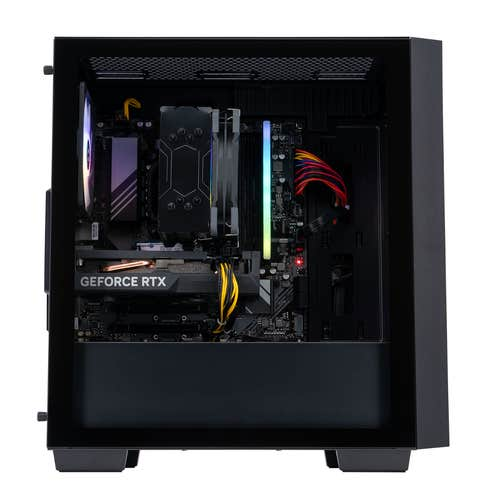
Acer Nitro 60 (RTX 5070Ti)
Buy Now |

Predator BiFrost AMD Radeon RX7600 OC Graphics Card
Buy Now |
|---|